Why I Chose a Garmin Watch for My Mom
Sometimes the best tech isn't the most advanced. It's the one that fits how someone actually lives.
My mom had been using her Fitbit on and off for about eight years. And lately... it just wasn't working well. Connectivity issues, syncing problems, the usual wear-and-tear stuff that happens when you actually use something every day.
Plus, there was the whole Google-acquired-Fitbit situation. The writing was on the wall. Fitbit was being phased out, future upgrades were few and far between, and it felt like the right time to find her something better
But here's the thing: When she she asked me for help on what to get next, I couldn't just pick what I would want. My mom's not me. She's not trying to optimize her recovery metrics or track her sleep stages or monitor her HRV. She just wants a watch that works, tracks her rides, and doesn't overwhelm her with features she'll never use.
So I started looking.
What She Actually Needed
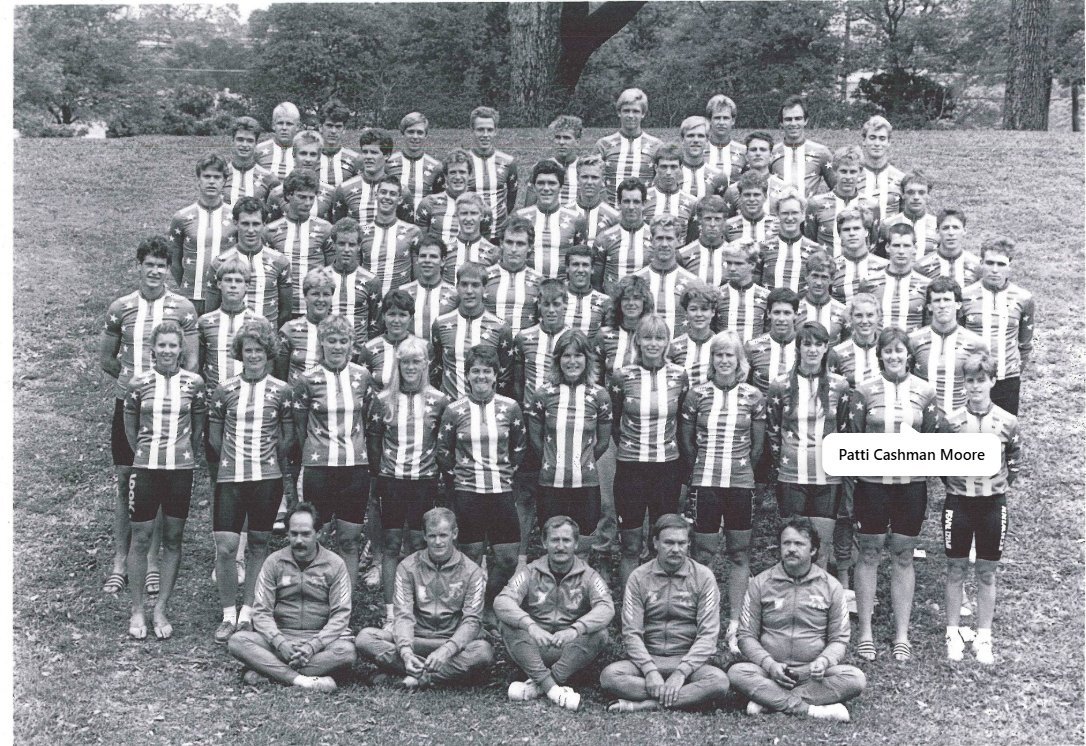
Some background on my mom: she's kind of a rockstar. She swam for Stanford in college, transitioned to rowing where she became a national champion and an alternate for the 1980 Olympic team, then found cycling in her late twenties and went on to win a national championship in the 25km time trial. Now in her early sixties, she's still very much an athlete — on the bike almost daily, with Pilates three times a week and strength training twice a week worked in for good measure.
The point is, she knows how to train. What she doesn't want is a wearable that makes her feel like she needs a manual.
The Must-Haves:
- User-friendly - She gets overwhelmed by complicated interfaces and features she doesn't need
- Low profile - She liked that her Fitbit wasn't bulky; didn't want something huge on her wrist
- Good battery life - She doesn't want to charge it constantly
- Easy activity tracking - Primarily cycling, but also Pilates and weightlifting
- Basic, clear metrics - Steps, heart rate, workout stats... nothing overly complex
Why Not the Obvious Options?
Apple Watch: Too Much Watch
The Apple Watch is great... if you want a computer on your wrist. But my mom doesn't need notifications, apps, or the ability to respond to texts from her watch face. She wanted a fitness tracker, not a smartphone replacement.
Also, the battery life on an Apple Watch? Almost daily charging. That was a non-starter.
Whoop: Too Elite
I personally love Whoop, I wear it every day for jiu-jitsu and tracking recovery. But Whoop is built for people who are deep in the metrics, trying to optimize performance at a pretty intense level. The learning curve, the subscription model, the way you have to interpret the data... that's just not what my mom needs or wants (right now at least).
She's an experienced athlete, sure, but she's not trying to analyze her strain scores or dial in her recovery windows. She just wants to track her rides, see her average heart rate, and know she got her steps in.
Sticking with Fitbit: Not an Option
If her current Fitbit had been working well, maybe we would've just stuck with it. But between the hardware issues and how stagnant the upgrades have been over the last few years, it didn't make sense to invest in another one.
Why Garmin Made Sense
Garmin watches have a reputation for being serious fitness trackers: great battery life, built for endurance athletes, reliable GPS. But they're also known for being... well, a little utilitarian. Not flashy. Not trying to be a smartwatch. Just solid, dependable fitness tracking.
That felt like the sweet spot for my mom.
The Specific Choice: Garmin Vívoactive
Within the Garmin lineup, I went with the Vívoactive. Here's why:
Size. A lot of Garmin watches are pretty chunky. They're built for ultra-runners, triathletes, people doing serious endurance stuff. The Vívoactive is more streamlined, lower profile. But it's still big enough that my mom can easily see the watch face and navigate without squinting or struggling with tiny buttons.
Feature set. It has everything she needs (GPS for cycling, multiple activity modes, heart rate tracking) without all the stuff she doesn't (advanced training metrics, dive modes, golf course maps).
Price point. It's mid-range for Garmin, which felt right. Not the cheapest option, but not the premium ultra-athlete models either.
How It's Actually Working
So far, she's really liking it.
What she's told me she loves:
"I can actually start my ride without scrolling through a million options. I just tap cycling and go."
"The watch face shows me my steps and heart rate right there, I don't have to dig around for it."
"It reminds me when I've been sitting for too long... which sounds small, but when you work from home you actually need that."
One feature she particularly likes: quick shortcuts. Garmin lets you customize which activities show up front and center, so she has cycling, Pilates, and weightlifting ready to go. No scrolling through a giant list of activities she'll never use (looking at you, stand-up paddleboarding and rock climbing modes).
She also gets basic phone notifications on the watch. She can't respond from her wrist, but it's enough to know whether something needs her attention or can wait until she's back at her phone. For someone who isn't looking for a second screen, that's the right amount of connectivity.
And one thing that's come up more than once: she'll occasionally forget to start a workout and realize mid-ride. Garmin lets you backfill the start time, so she's not losing that data. Small feature, but it's the kind of thing that would have driven her crazy with a less forgiving device.
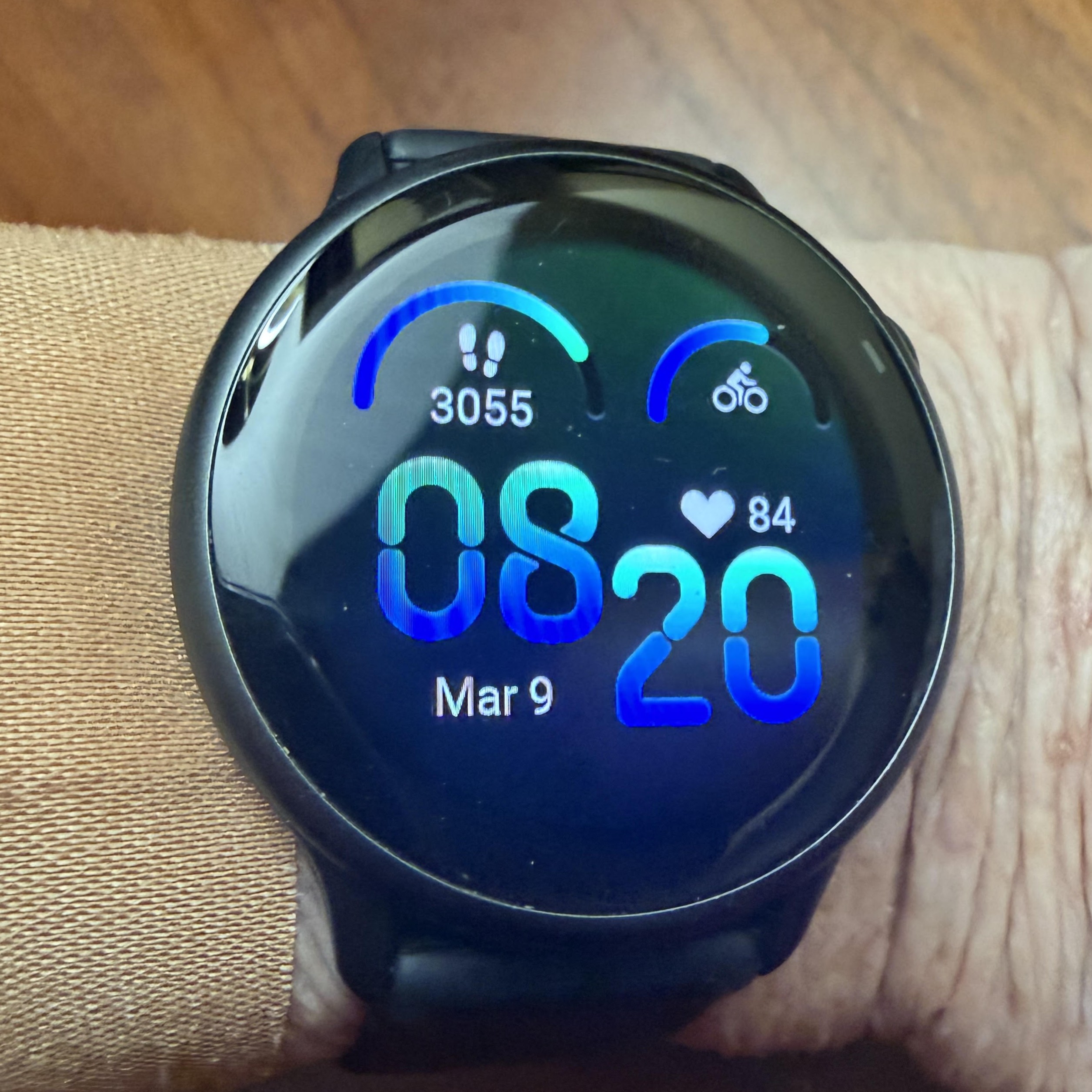
She's also been playing around with the watch face customization. You can set it up to show the metrics that matter most to you right on the home screen:steps, average heart rate, whatever. For someone who doesn't want to navigate through menus, having everything visible at a glance makes a huge difference.
Final Thoughts
Picking a fitness tracker for someone else is actually harder than picking one for yourself. When it's for you, you know exactly what you care about, what annoys you, what features you'll actually use. But when you're choosing for someone else, especially someone from a different generation with different priorities, you have to really think about their use case, not yours.

If you're trying to help a parent, partner, or friend pick a fitness tracker, here's my advice: really think about how they'll use it. Not how you would use it. Not what the tech reviewers say is "best." How will they actually interact with this thing every day?
For my mom, that meant prioritizing simplicity and reliability over cutting-edge features, a practical design over sleek aesthetics, and a battery that actually lasted more than a day. The Garmin Vívoactive nailed that balance. And watching her use it without frustration, seeing her actually enjoy tracking her rides again and see her fitness improvements... that's the real win.
Sometimes the best tech isn't the most advanced. It's the one that fits how someone actually lives.